


I was standing at the gas pump a few weeks ago, simply filling up my car, when I looked up and saw this:
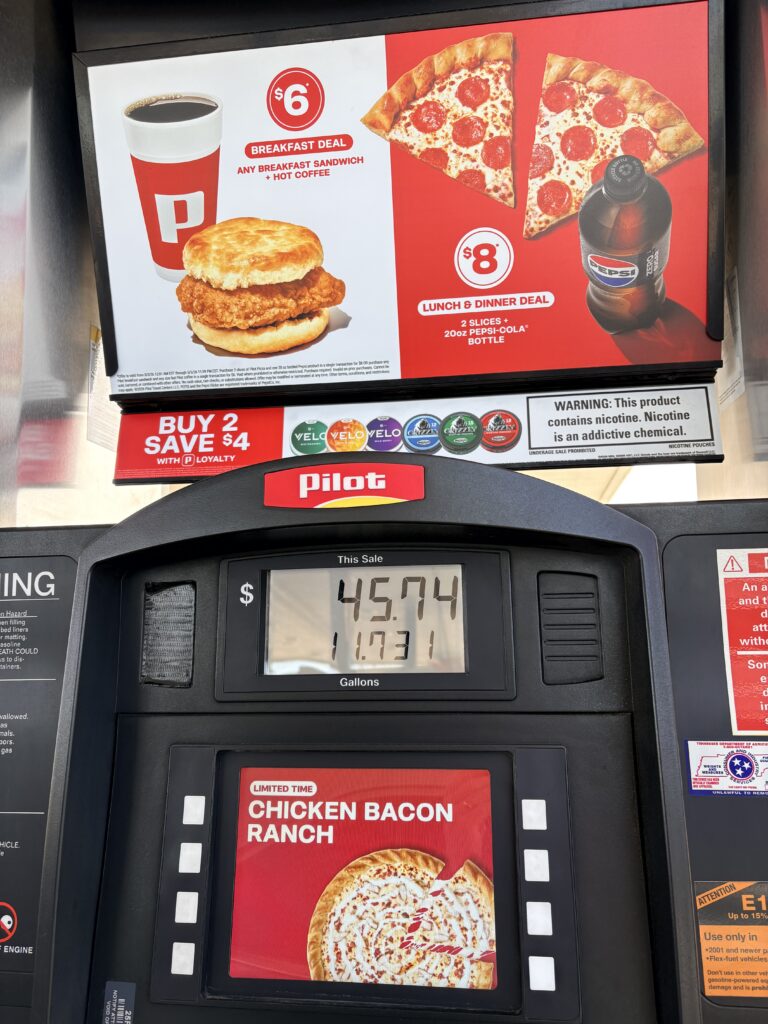
Delicious-looking food. And so cheap!
Save money on my tobacco? Yes, please!
And what’s this chicken-bacon-ranch pizza? Only for a limited time?!
I’m sure subconsciously I thought, “No, I don’t need any of this stuff. I’m not even hungry.”
Once I finished, I set the pump back on the hook and turned to get in my car when I saw this:
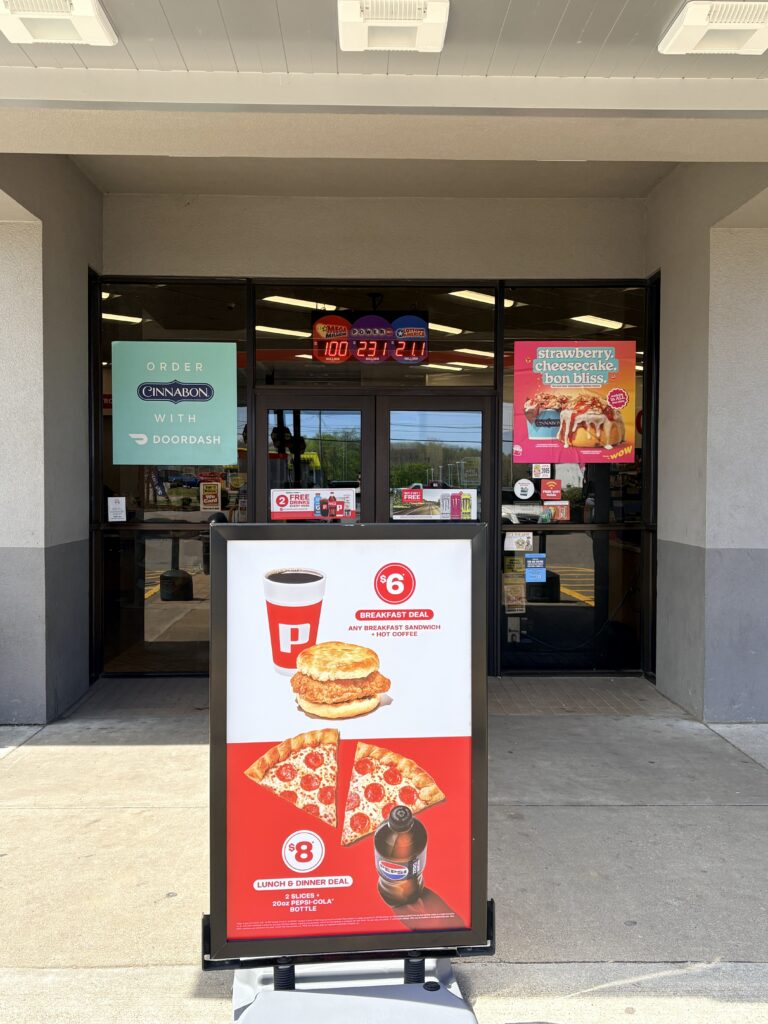
More food options.
Even better deals.
I can use DoorDash at a convenience store? How convenient!
Again, I’m sure I thought, “Okay, now that looks good. But I can’t.”
Fortunately, I didn’t buy anything. But that experience perfectly illustrates one of the biggest reasons losing weight feels so difficult today.
No, food advertising isn’t the only reason America is facing an obesity epidemic. Ultra-processed foods, constant access to inexpensive calories, sedentary lifestyles, chronic stress, poor sleep, and genetics all play important roles.
But we also live in an environment where we’re constantly being encouraged to eat—even when we’re not hungry.
And that’s something we rarely talk about.
The Modern Food Environment Is Working Against Us
In many ways, advertising exploits our brain’s natural tendency to prioritize high-calorie foods. Food advertising is everywhere: towering billboards along the highway, commercials on television, ads on the radio, sponsored posts on social media, streaming services, checkout lines, convenience stores, and even at the gym.
Whether we realize it or not, we’re exposed to thousands of advertisements every day. A significant portion of them promote food, beverages, alcohol, or other products that activate our brain’s reward system. Marketing research consistently shows that food advertising influences our decisions—both consciously and subconsciously. The goal isn’t simply to remind us that food exists. The goal is to keep food constantly on our minds.
Why Our Brains Respond So Strongly
For most of human history, food wasn’t guaranteed. Our ancestors survived because their brains were wired to notice calorie-dense foods whenever they became available. That instinct helped us survive during times of scarcity.
Today, however, food is available almost everywhere we look. A single picture of pizza or a fast-food logo can activate the brain’s reward centers, triggering cravings before we’re even physically hungry. Advertising reminds us how good a favorite meal tasted the last time we had it—or tempts us to imagine how satisfying a new menu item might be.
Food marketing also taps into our emotions. Stress. Boredom. Anxiety. Sadness. Celebration. Loneliness. The desire for something new. Advertisers know that food is about much more than hunger.
The Psychology Behind “Limited-Time Deals”
If you look back at those photos from the gas station, you’ll notice something else. Everything was a deal.
Buy one, get one free.
Limited-time offers.
Exclusive pricing.
Meal bundles.
These promotions don’t just make food seem affordable; they create urgency. Many of us worry about stretching our grocery budget or feeding our families. Finding a bargain feels rewarding. In fact, getting a good deal creates its own dopamine response in the brain.
Then advertisers add one final push:
Limited time only.
Now your brain isn’t just thinking about food. It’s thinking about missing out. That scarcity mindset often becomes the final nudge that turns a passing thought into a purchase.
Why Willpower Eventually Runs Out
Every advertisement asks your brain to make another decision.
Should I stop?
Should I order takeout?
Maybe just this once.
I’ll start eating healthier tomorrow.
By the end of the day, we’ve spent hours making decisions about work, family, finances, schedules, and responsibilities. Saying “no” over and over again requires mental energy. Eventually, that energy runs low. Psychologists call this decision fatigue, and it affects all of us. Some people may naturally have more self-control than others, but no one can rely on willpower forever—especially in an environment intentionally designed to encourage overeating.
Why GLP-1 Medications Have Been So Effective
One reason GLP-1 medications have become such an important tool for weight loss is that they don’t simply improve insulin signaling. They also affect the brain.
Many patients describe experiencing:
- Less food noise
- Fewer cravings
- Feeling satisfied sooner
- Less preoccupation with food throughout the day
Instead of relying entirely on willpower, these medications help regulate hunger and fullness signals. For many people, it’s the first time they’ve felt like they’re working with their brain instead of constantly fighting against it. GLP-1 medications aren’t magic, but they can provide the extra support needed to navigate today’s food environment more successfully.
Four Ways to Push Back Against the Modern Food Environment
While we can’t eliminate food advertising, we can make it easier to make healthier choices.
1. Reduce Your Exposure
The fewer food cues your brain receives, the fewer cravings you’ll have. Consider turning off food delivery notifications, unsubscribing from restaurant emails, avoiding grocery shopping when you’re hungry, and limiting mindless social media scrolling.
2. Set Firm Boundaries
Create routines that reduce temptation. Plan meals ahead of time. Bring healthy snacks when you’re out. Decide what you’ll eat before hunger strikes.
Structure often beats willpower.
3. Reduce Decision Fatigue
Simplify as many daily decisions as possible. Meal prep. Schedule workouts in advance. Keep healthy staples stocked at home. The less mental energy you spend deciding, the more energy you have for making healthy choices.
4. Prioritize Sleep
Poor sleep increases hunger hormones, reduces impulse control, and makes cravings much harder to ignore. One of the most effective weight-loss strategies isn’t another diet. It’s consistently getting enough quality sleep.
You’re Not Failing—You’re Living in a Challenging Environment
If losing weight has felt harder than you expected, it doesn’t mean you’ve failed. You’re trying to improve your health in an environment specifically designed to capture your attention, trigger cravings, and encourage you to eat. Some people have stronger dopamine responses than others. Some use food to cope with stress. Some face hormonal or metabolic challenges that make weight management even more difficult.
Understanding these influences doesn’t remove personal responsibility—but it does replace shame with awareness. When we recognize the forces working against us, we can begin creating strategies that actually work.
Medical Weight Loss Support in Asheville
At Authentic Health, we understand that successful weight loss is about much more than counting calories or relying on willpower.
Our team takes a comprehensive, evidence-based approach to medical weight management, helping patients understand the biological, behavioral, and environmental factors affecting their health. Whether you’re interested in nutrition counseling, lifestyle changes, metabolic health testing, or exploring whether GLP-1 medications are right for you, we’ll create a personalized plan that fits your goals.
If you’re looking for compassionate, science-backed medical weight loss in Asheville, Authentic Health is here to help you move beyond frustration and build lasting, sustainable health.
Ready to take the next step? Schedule an appointment with Authentic Health in Asheville and discover a personalized approach to weight loss that works with your body, not against it.